Harsh Rathore
19 September 2026
From craft to commerce, and from commerce to capability
From craft to commerce, and from commerce to capability
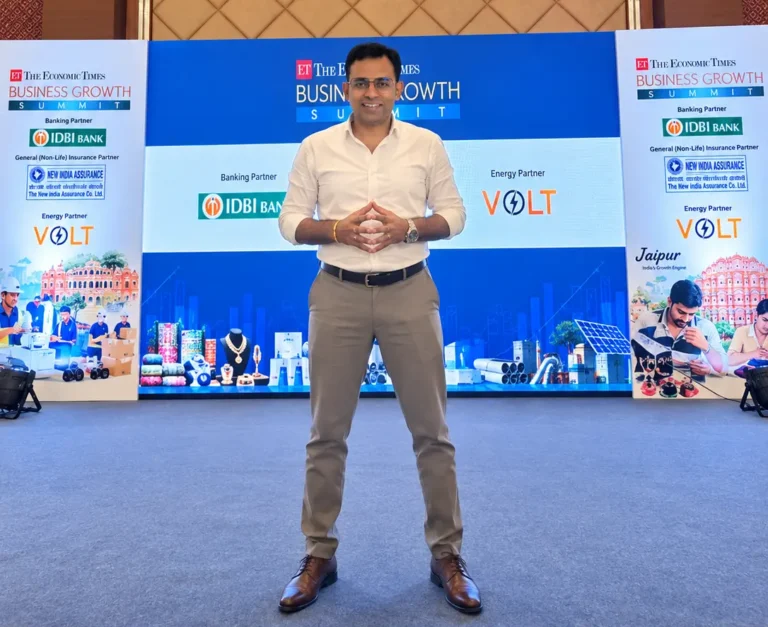
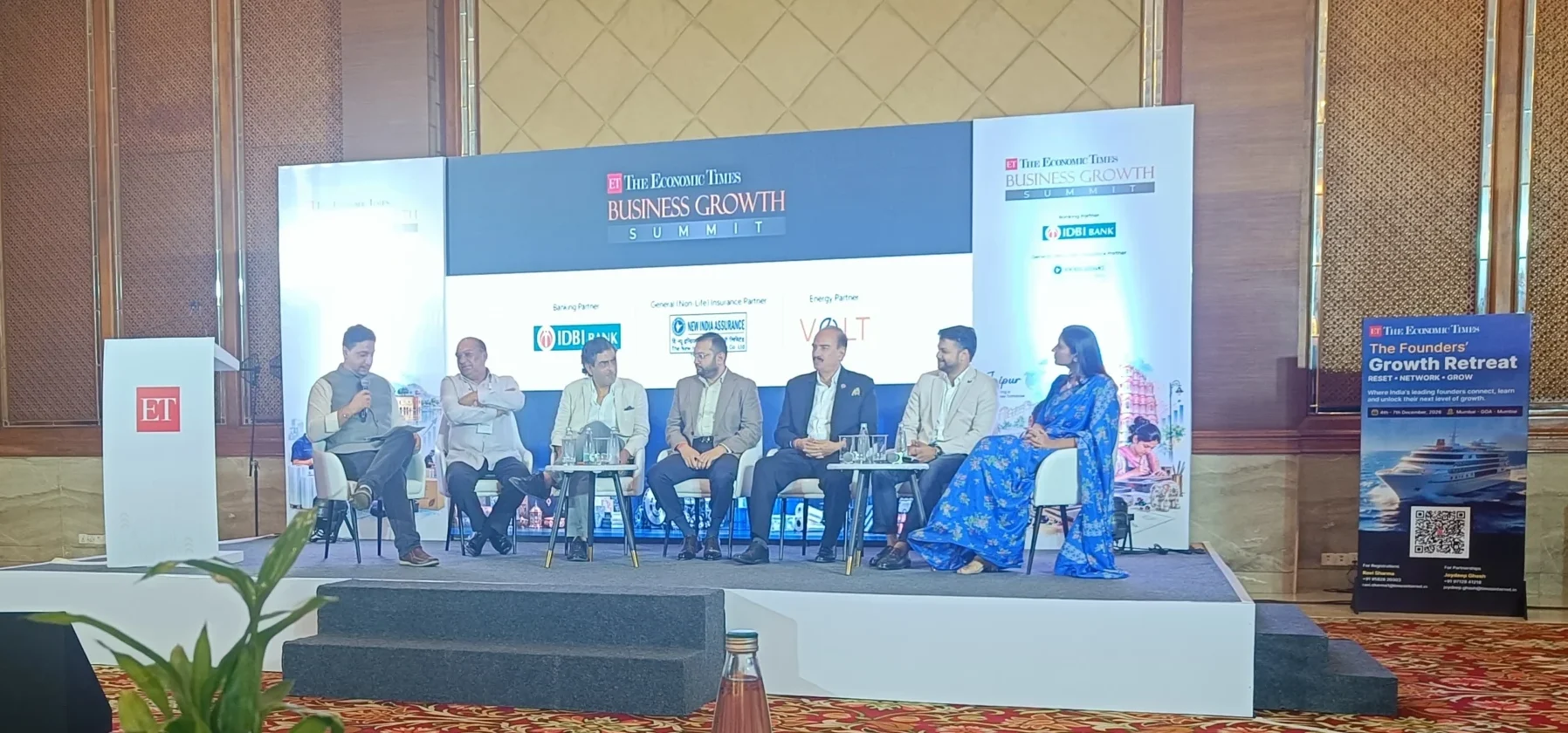
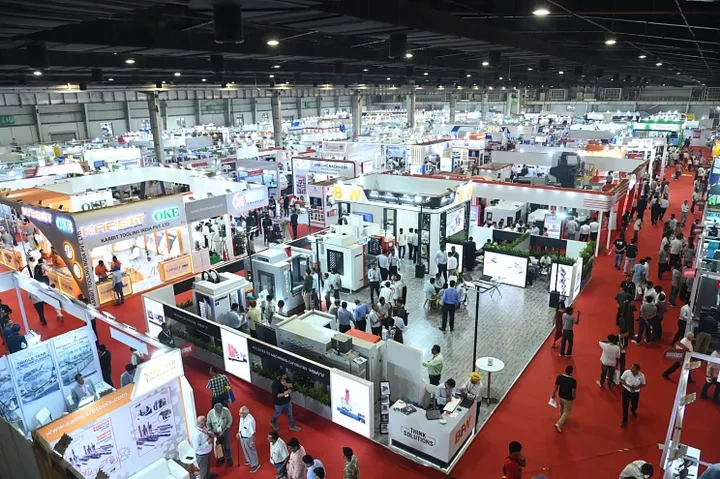
I walked into the ET Business Growth Summit in Jaipur expecting discussions around MSME growth, capital, exports, tourism, entrepreneurship and the challenges of scaling businesses.
I would say the summit’s theme was “Craft to Commerce: The Rajasthan Advantage” — a theme that captures something important about Rajasthan: we already have a remarkable base of traditional industries, craftsmanship, entrepreneurship and local enterprise.
But I walked out thinking about something slightly different.
What happens when Rajasthan connects its traditional strengths with technology, skills, infrastructure and modern ways of reaching markets?
That, to me, could be one of the most important questions for Rajasthan’s next phase of growth.
Because Rajasthan already has many of the ingredients required for a strong industrial economy.
We have land. We have natural resources. We have agriculture. We have textiles. We have stone. We have engineering and manufacturing. We have tourism and hospitality. We have handicrafts and traditional products. We have renewable-energy potential. We have entrepreneurs. And we have a large young population.
The opportunity may not be to find another strength.
It may be to connect the strengths we already have.
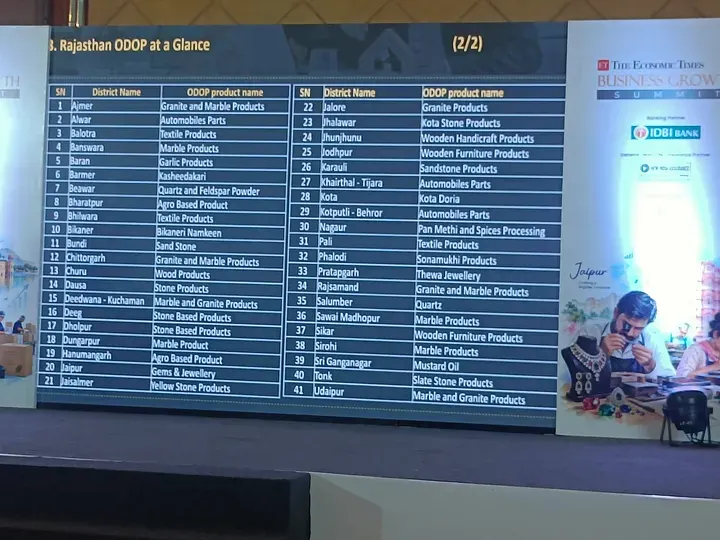
ODOP Is a Beginning — Not the End
The discussion around One District One Product (ODOP), led at the summit by @P.N. Sharma, Additional Commissioner, Industries & Commerce, Government Of Rajasthan , made me think about this particularly closely.
ODOP starts with a very sensible question:
What is each district naturally good at?
It identifies and promotes products rooted in local capability, resources, traditions and existing economic activity.
That is an important starting point.
But perhaps the next question should be:
What can we build around those strengths?
Agriculture can become AgriTech.
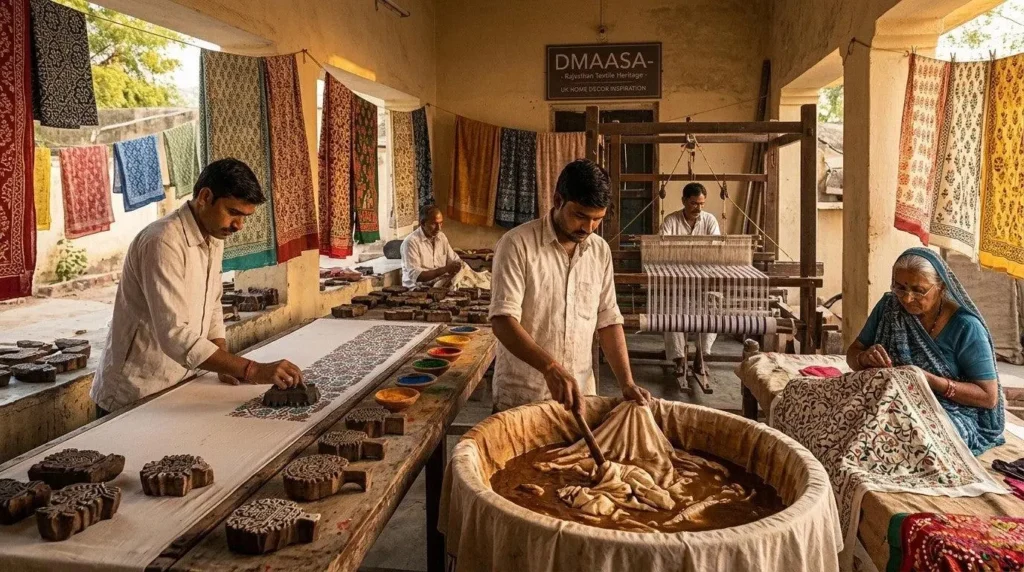
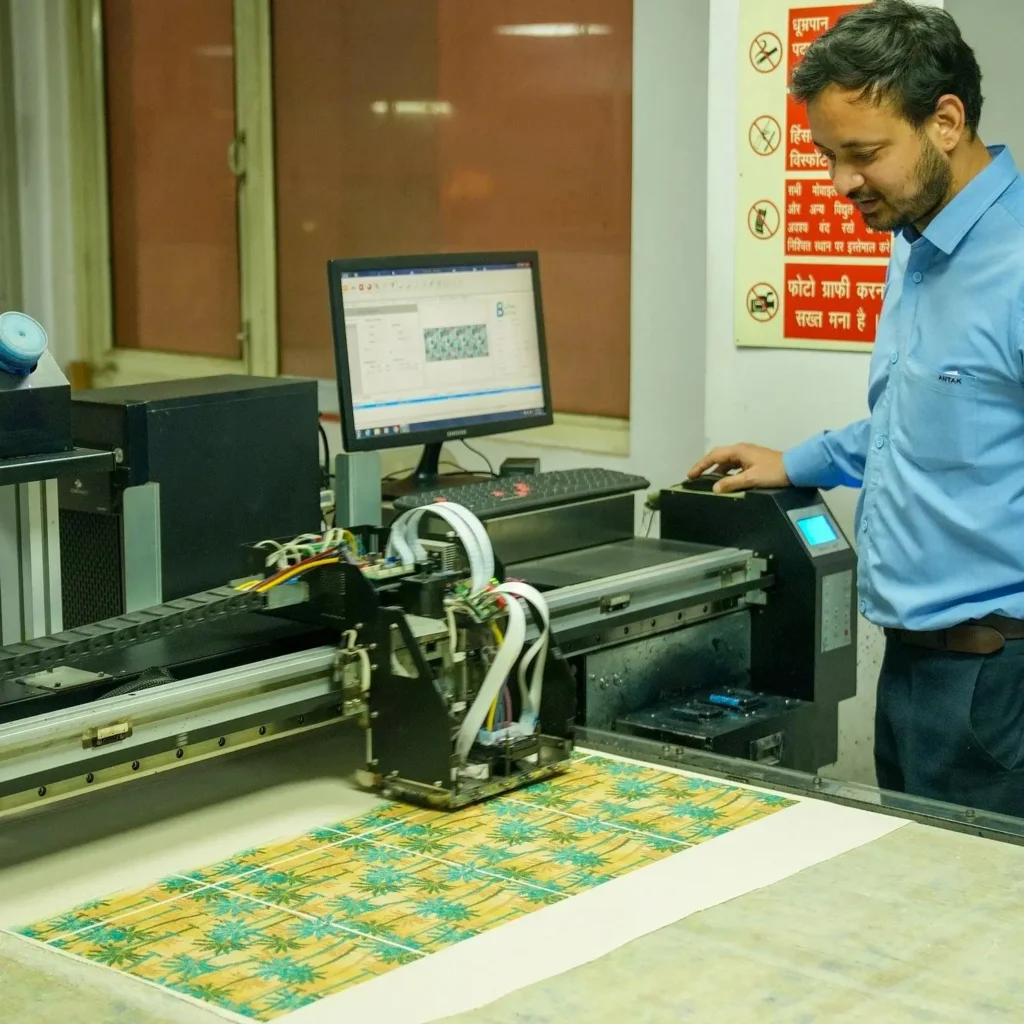
Textiles can become technology-enabled textile manufacturing.
Stone can become precision processing and mining technology.
Engineering can become industrial automation and advanced manufacturing.
Tourism can become technology-enabled experiences.
Traditional products can become digitally discoverable global brands.
And electronics can become embedded systems, industrial electronics and eventually part of a broader semiconductor ecosystem.
This is where I see an opportunity to take ODOP from identification to transformation.
The objective should not only be to preserve what Rajasthan already makes.
It should also be to make those industries:
more skilled, more productive, more technological, more branded and more global.
The Missing Layer: Technology
As I come from an industry where we focus majorly on enhancing industrial capabilities and redesigning the safety and communication ecosystem in electronics and manufacturing sector, I’ve witnessed multi-fold growth in every dimension with addition of technology.
That’s the reason, I naturally tend to look for the technology layer in each production process.
And this is one area where I felt there is a much bigger opportunity for Rajasthan.
The state today has policies covering semiconductors, AI/ML, industrial parks, exports, MSMEs, logistics, textiles and several other sectors. The current policy environment is clearly moving toward capability development, green growth, exports and new technology sectors.
But a policy is only the beginning.
The more interesting question is:
Where are the ecosystems that will convert these policies into capabilities on the ground?
I am not suggesting that Rajasthan needs to immediately attempt to replicate a semiconductor fabrication ecosystem elsewhere.
There is a much broader and potentially more realistic opportunity.
Could Rajasthan build stronger ecosystems around:
- VLSI and semiconductor design
- embedded systems
- electronics prototyping
- testing and measurement
- industrial electronics
- power electronics
- AI applications
- university-industry R&D
- technology incubation
- advanced manufacturing
Perhaps the first semiconductor investment Rajasthan needs is not necessarily a giant fab.
Perhaps it is the ecosystem that produces the engineers, designs, prototypes, tests, suppliers and applications that can eventually support a semiconductor industry.
Rajasthan has an important advantage in this discussion: land and the ability to plan industrial development at scale.
But land alone does not create an industry.
Land + power + infrastructure + skills + technology + suppliers + capital + markets does.
From Traditional Industries to Technology-Enabled Industries
This is where I believe Rajasthan can think differently.
We don’t have to choose between our traditional economic identity and our technological future.
We can build one on top of the other.
Rajasthan’s existing strength
Potential next layer
Agriculture > AgriTech, sensors, automation
Textiles > Automation, smart manufacturing
Stone > Precision processing, mining technology
Engineering > Industrial automation, control systems
Tourism > Digital and experiential tourism
Renewable energy > Power electronics and energy management
Handicrafts > Digital design, branding and global commerce
Electronics > Embedded systems, industrial electronics, semiconductor design
The next industrial revolution does not always require replacing an existing industry.
Sometimes it requires adding a technology layer to it.
Renewable Energy Could Become an Industrial Advantage
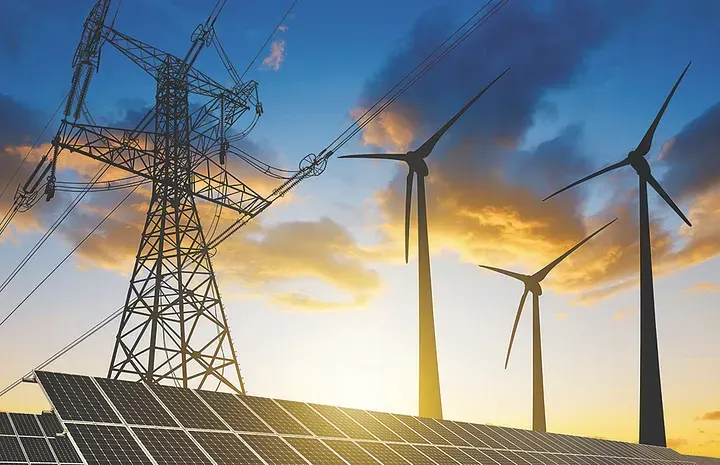
Another thought that stayed with me from the broader discussion was the positioning of renewable energy as one of Rajasthan’s major future opportunities.
I think we should look at renewable energy not only as an industry by itself, but also as an enabler of other industries.
Reliable and competitive clean energy can support manufacturing, industrial parks, electronics, data centres, processing industries and other energy-intensive activities.
Rajasthan already has a strong policy framework around clean energy, and the state’s broader investment framework identifies green growth as one of its priorities.
So perhaps the question is not merely:
How much renewable energy can Rajasthan produce?
It is also:
What industries can we attract and build because Rajasthan can provide that energy advantage?
That shift — from producing a resource to building an ecosystem around it — is important.
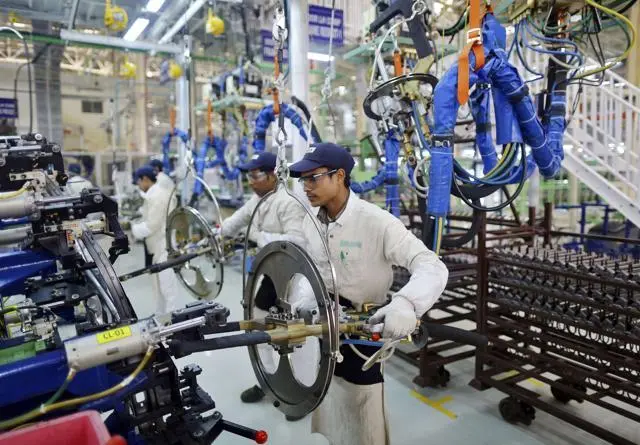
The Talent Question Is Bigger Than the Job Question
Another major theme from the summit was the need for skills.
But I think we should look at this slightly differently.
We often say:
India needs more jobs.
Industry also says:
We cannot find enough skilled people.
Both statements can be true at the same time.
The problem may not simply be a shortage of people.
It may be a shortage of industry-ready people.
And this is where Rajasthan has an opportunity that I believe is still underutilised.
There is a large pool of young people growing up in smaller towns and villages, including many from farming and family-business backgrounds.
They may not necessarily have fluent English.
They may not have strong computer skills.
They may never have seen a modern manufacturing facility.
But many already understand responsibility, discipline, process, physical work and the realities of earning through effort.
Those missing technical and digital skills can be taught.
We may not be short of potential talent. We may be short of the bridges that convert potential into employable talent.
That is a very different problem.
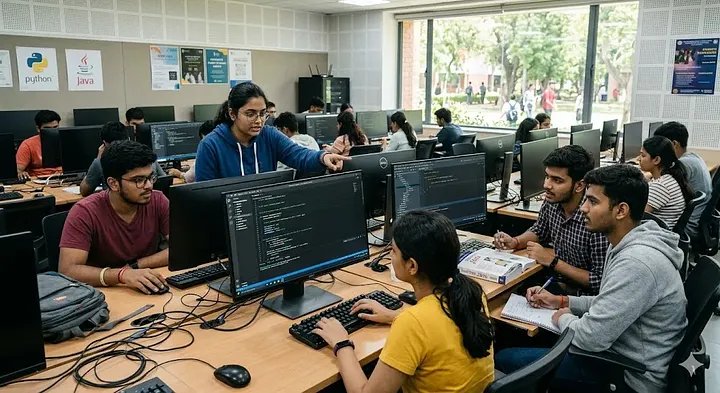
Start Before University
And perhaps that bridge needs to begin much earlier.
By the time a student reaches engineering college, we may already have lost years of opportunity.
Imagine if students were gradually exposed from the school level to:
electronics, coding, robotics, CAD, AI, manufacturing, problem-solving and entrepreneurship.
Not every school needs an expensive laboratory.
District-level technology centres, mobile labs, industry partnerships and practical programmes could create that exposure.
Then the pathway could become:
School → Curiosity
College → Capability
Industry → Application
Entrepreneurship → Scale
Universities, too, could become much more connected to the actual problems of local industry.
Instead of students solving only academic projects, companies could bring real problems to universities:
- manufacturing automation
- electronics design
- quality improvement
- energy optimisation
- AI applications
- logistics
- product development
Students gain practical exposure.
Companies discover talent.
Universities become more relevant to the regional economy.
And the ecosystem becomes stronger.
Indian and international schools often operate in multiple languages.
A robust system should support:
- Text-to-voice narration for live announcements in multiple languages
- Pre-recorded multilingual announcements, played instantly when required
Multilingual capability should not be an afterthought. It is essential for:
- Regional language inclusivity
- International campuses
- Standardised communication across diverse student populations
Make Leaving Rajasthan a Choice, Not a Necessity
This leads to a larger question.
Why should an ambitious student from Rajasthan automatically assume that a serious career requires moving to Bengaluru, Hyderabad, Pune or Delhi NCR?
Those cities should absolutely remain opportunities.
See content credentials
Make Leaving Rajasthan a Choice, Not a Necessity
If Rajasthan can create meaningful opportunities in technology, manufacturing, services, entrepreneurship and research, then its talent can contribute to the state’s own growth.
And there is a powerful multiplier here.
When good companies create good jobs, talent stays.
When talent stays, companies find better people.
When companies find better people, they scale.
When they scale, suppliers emerge.
When suppliers emerge, more companies come.
That is how an industrial ecosystem begins to compound.
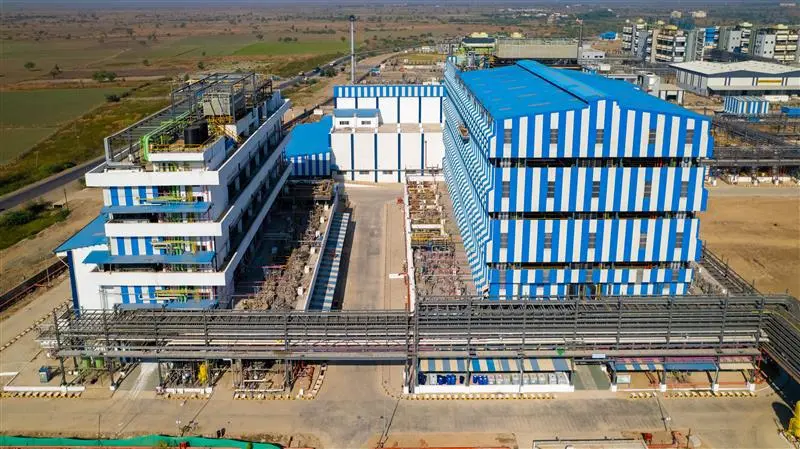
Industrial Land Should Become Industrial Ecosystems
Rajasthan’s land availability can be a significant competitive advantage.
But the industrial park of the future cannot simply be a collection of plots connected by roads.
RIICO’s current Industrial Park Promotion Policy 2026 itself points toward the development of industrial ecosystems, infrastructure, diversification and innovation.
I think we should take that idea even further.
Imagine industrial clusters with:
- common testing laboratories
- skill-development centres
- prototyping facilities
- R&D support
- logistics
- supplier networks
- technology partners
- incubation facilities
- renewable-energy integration
- digital infrastructure
Then the question changes from:
“How many companies can we put on this land?”
to:
“How much industrial capability can we create here?”
That is a much more ambitious question.
From Craft to Commerce — and Then to Global Commerce
The export perspective at the summit was particularly valuable because it brought the conversation down to the reality of competing in global markets.
Mahavir Pratap Sharma, Founder of Oscar Exports, represents precisely this connection between Rajasthan’s traditional manufacturing strengths and international markets.
But exporting successfully requires much more than producing something good.
It requires:
quality + consistency + design + productivity + packaging + branding + logistics + market knowledge.
This is where technology and skills again become important.
ODOP should therefore not end with:
This is what our district makes.
The next questions should be:
Can we make it better?
Can we make it at scale?
Can we make it globally competitive?
Can we build a brand around it?
And finally:
Can we make the world want it?
Tourism Can Become a Distribution Channel for Rajasthan
One of the most interesting ideas I heard during the tourism discussion came from Kuldeep Singh Chandela, President of the FHTR — Federation of Hospitality and Tourism of Rajasthan (FHTR).
His observation around culinary experiences stayed with me.
Imagine bringing together chefs, home cooks and people with expertise in a particular traditional or innovative dish and creating a large-scale experience where people can watch, taste and discover what Rajasthan can offer.
I think the idea is much bigger than food.
Why can’t we do something similar with:
textiles, handicrafts, furniture, jewellery, stone, traditional products and even modern manufacturing?
Why should an ODOP product only be something people purchase?
Why can’t it become something people come to Rajasthan to experience?
A tourist could:
see → experience → taste → learn → buy → share → discover more.
Suddenly, tourism becomes more than hospitality.
It becomes a distribution channel for Rajasthan’s culture, products and businesses.
From Hyperlocal to Globally Discoverable
The presence of young entrepreneurs such as @Rishab Dev Bajaj, Founder & CEO of Volt Capital; Akshay Kedia, Co-Founder of Nothing Before Coffee; and Astha Katta Sirohiya, Co-Founder of Shyle brought another important dimension to the conversation: the power of modern marketing and social media. The ET programme positioned them alongside exporters and tourism leaders in a panel on reimagining Rajasthan’s MSME growth story.
For today’s businesses, social media is no longer simply an advertising channel.
It can be:
a discovery engine, a storytelling platform, a brand-building tool, a customer-acquisition channel, and sometimes even a route directly to commerce.
This creates an enormous opportunity for Rajasthan’s traditional businesses.
A manufacturer may have decades of product knowledge but very little digital storytelling capability.
A young entrepreneur may understand branding, customer psychology and digital distribution extremely well.
What happens when those two capabilities come together?
Traditional expertise + modern marketing.
That combination could be powerful.
A product made in one district no longer has to remain a district-level story.
See content credentials
What happens when those two capabilities come together?
Policies Must Reach the Entrepreneur on the Ground
There is one more issue I believe deserves greater attention.
Rajasthan now has a substantial policy stack across semiconductors, AI/ML, industrial parks, exports, MSMEs, logistics, textiles, clean energy and other sectors.
That is encouraging.
But there can be a significant difference between:
having a policy
and
an entrepreneur being able to use the policy.
A small manufacturer sitting inside an industrial area may not know:
- which scheme applies to them
- what incentive they qualify for
- how to apply
- whom to approach
- what documentation is required
- whether the opportunity is actually relevant to their business
So perhaps policy communication and facilitation deserve as much attention as policy creation.
A policy becomes economically powerful when the entrepreneur sitting inside a small factory can understand it, access it and use it.
That is where implementation becomes the real multiplier.
The Rajasthan Growth Flywheel
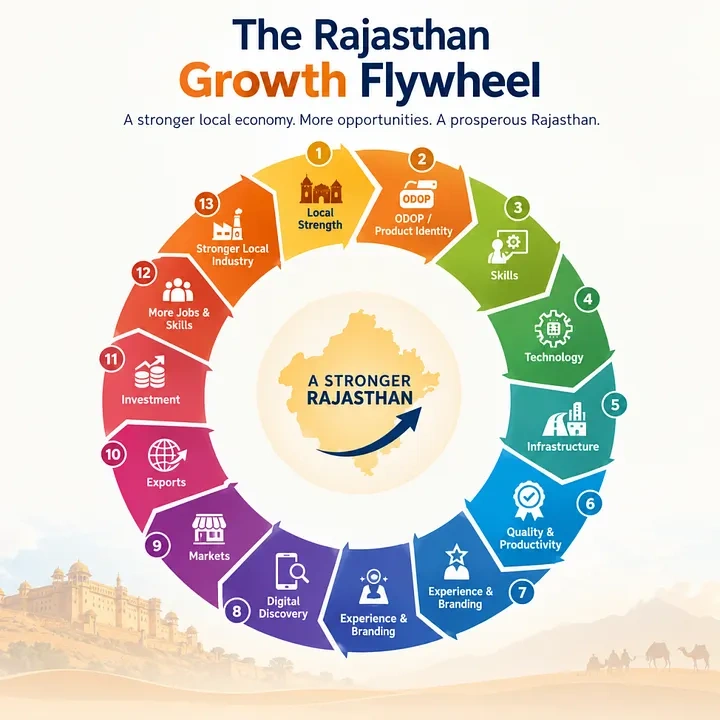
Putting all these thoughts together, I see Rajasthan’s next growth opportunity as a kind of flywheel:
Local Strength
↓
ODOP / Product Identity
↓
Skills
↓
Technology
↓
Infrastructure
↓
Quality & Productivity
↓
Experience & Branding
↓
Digital Discovery
↓
Markets
↓
Exports
↓
Investment
↓
More Jobs & Skills
↓
Stronger Local Industry
And the cycle begins again.
This is how traditional economic strengths can gradually become modern industrial ecosystems.
Rajasthan Does Not Need to Become Another Bengaluru
Rajasthan does not need to copy Bengaluru.
It does not need to become another Hyderabad.
It does not need to abandon the industries that built its economic identity.
It needs to build the next layer on top of them.
Traditional strengths can become technology-enabled industries.
Rural talent can become industrial talent.
Industrial land can become industrial ecosystems.
ODOP can become more than a way of identifying local products — it can become a platform for technology, skills, branding and exports.
Tourism can become more than visiting places — it can become an experience and discovery engine for Rajasthan’s products.
And social media can take a product’s story far beyond the boundaries of the district where it was created.
Perhaps the next chapter is:
Craft → Commerce → Capability → Global Competitiveness
Policy can set the direction.
Industry has to build the capability.
Talent has to sustain it.
And markets ultimately decide whether it scales.
Perhaps Rajasthan’s next industrial revolution will not come from discovering one completely new industry.
It may come from making the industries we already have significantly better — more skilled, more technological, more productive, more visible and more global.
That, to me, could be the real Rajasthan Advantage.
#RajasthanGrowth #RajasthanAdvantage #RajasthanBusiness #RajasthanMSME #MakeInRajasthan #ODOP #MSMEGrowth #Manufacturing #Exports #Entrepreneurship #SkillDevelopment#ETBusinessGrowthSummit#PNSharma#MahavirPratapSharma#KuldeepSinghChandela#RishabhDevBajaj#AkshayKedia #AsthaKattaSirohiya